The GMT watch was originally built for a very specific purpose: allowing pilots and frequent travellers to track multiple time zones at once. Today, that functional origin has evolved into something broader.
GMT watches remain one of the most compelling categories in modern horology, combining genuine functionality, instantly recognisable design, and a past steeped in history. Originally developed in the 1950s for Pan Am pilots, the GMT complication was designed to solve a very practical problem: tracking multiple time zones while travelling across borders. It’s a core idea that continues to define the category today.
For many enthusiasts and everyday wearers alike, the GMT has become one of the most versatile and emotionally resonant watch types in modern collecting, with an appeal that reaches beyond the convenience of tracking your local time and a secondary time zone without reaching for your phone.
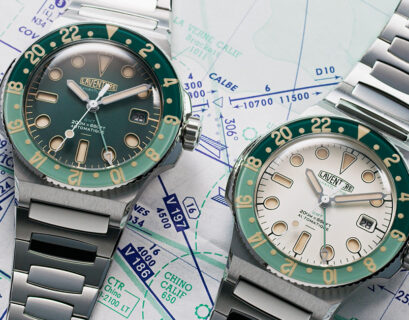
A strong visual identity sets GMT watches apart. They are typically more dynamic than standard dress watches, often featuring a fourth hand in a contrasting colour and a 24-hour scale that can be displayed on either the dial or a rotating bezel. In many designs, this takes the form of a rotating multi-color bezel that has become a visual shorthand inseparable from the category itself.
There is also a strong cultural and emotional dimension to the category. As highlighted frequently in enthusiast communities and forums, GMT watches carry a romanticised association with aviation and the golden age of global exploration. There’s a sense of mechanical sophistication and “world traveller” identity that continues to resonate strongly with collectors today.
For decades, the GMT category has been dominated by established Swiss brands, often with pricing that limited accessibility. That is now changing.
A new wave of independent watchmakers is approaching the GMT not as a specification exercise, but as a quest for the combination of usability, elegant proportion, and design integrity. The result is a growing number of microbrands producing GMT watches that rival far more established competitors, not only in value, but in execution. Many of whom are driven by restraint: better cases, better bracelets, and movements chosen for reliability rather than marketing appeal.
Few watches demonstrate this evolution better than the four below.
1. Maen Hudson GMT
Approximate Price: £1,165 GBP (€1,349 EUR / $1,465 USD)
Maen has built its reputation on one clear principle: vintage proportions still matter.
Founded by Dutch designers Sebastiaan Cortjaens and Jules van Helvoort, the brand focuses on compact, historically grounded case design combined with modern Swiss manufacturing. The Hudson GMT reflects that philosophy through and through.
At 38mm in diameter, the Hudson GMT is a genuinely wearable travel watch with restrained proportions, a balanced dial layout, and a slim, tool-watch silhouette that avoids the bulk often associated with GMT functionality.
Subtle finishing and applied markers create depth without compromising legibility, while the GMT hand is integrated cleanly into a layout that prioritises real-world usability over visual complexity.
Beneath the surface is a Swiss Sellita SW330-2 GMT automatic movement, operating at 28,800 vph and offering reliable dual-time functionality designed for actual travel use rather than desk-bound time zone tracking.
The five-link steel bracelet and compact lug-to-lug geometry ensure the watch wears closer to a field watch than a bulky sports instrument.
Why enthusiasts are paying attention: Maen succeeds by refusing to oversize the GMT format. The Hudson GMT feels like a return to functional restraint, combining Swiss reliability with vintage-inspired proportions that prioritise wearability over presence.
2. Farer Lander IV GMT
Approximate price: £1,375 GBP ($1,725 USD)
Farer approaches the GMT category from a different angle entirely: color, personality, and distinctive visual identity.
Founded in the UK in 2015, the brand built its reputation on challenging the conservatism of traditional Swiss design through bold but controlled use of colour. The Lander IV GMT is a clear expression of that philosophy.
At 39.5mm, it sits at the upper end of this list in size, but remains compact due to its short lug-to-lug and carefully proportioned case design – Farer also offers a 36mm compact version for those who eschew bulk completely. The box sapphire crystal and layered case finishing give it a slightly vintage silhouette without feeling retrogressive.
The dial is where Farer distinguishes itself most clearly. A sea-green sunray base shifts between blue and green depending on light, paired with burnt orange and red GMT accents. Despite the visual complexity, legibility remains strong thanks to a thoughtful layout hierarchy.
The watch is powered by the Swiss Sellita SW330-2 GMT automatic movement, offering a 56-hour power reserve and a traditional caller-style GMT function. It is visible through the caseback and finished to a standard that aligns with Farer’s Swiss assembly partners, Roventa-Henex.
Wearability is enhanced by a balanced lug structure and a strap-first design approach, though aftermarket bracelet options are commonly used by enthusiasts seeking a more tool-watch feel.
Why enthusiasts are paying attention: Farer proves that GMT watches do not need to rely on heritage tropes or monochrome palettes. This is a watch that delivers real functionality and an instantly recognisable design language.
3. Christopher Ward C63 Sealander GMT
Approximate price: £995 GBP ($1,250 USD)
Christopher Ward occupies a slightly different position in this space: less microbrand experiment, more established disruptor with Swiss manufacturing depth.
It’s no surprise that the C63 Sealander GMT is the brands bestselling watch, taking as it does the brand’s “Light-catcher” case architecture and applying it to a highly wearable 36mm format. The highly popular result is one of the most balanced GMT watches in this segment, both visually and ergonomically.
The case finishing is where the watch immediately stands apart. Sharp transitions between brushed and polished surfaces ensure the case finishing stands out and point to a level of refinement that rivals far more expensive Swiss competitors. Compact proportions ensure the C63 Sealander GMT remains versatile across wrist sizes and use cases.
The dial is deliberately restrained, prioritising legibility over ornamentation and the GMT function is integrated cleanly, avoiding clutter while maintaining clear time zone separation. Inside is the Swiss Sellita SW330-2 automatic movement with a 56-hour power reserve.
The bracelet is another area that deserves particular attention. Christopher Ward’s quick-release system and well-engineered clasp place it ahead of many competitors at this price point, making it a genuinely practical travel companion rather than a desk-bound GMT.
Why enthusiasts are paying attention: The Sealander GMT demonstrates how far direct-to-consumer Swiss watchmaking has come. It delivers genuine everyday usability with finishing and bracelet engineering that would previously have required a significant price premium.
4. Baltic Aquascaphe GMT
Notable Model: Baltic Aquascaphe GMT
Approximate price: £945 (€940 EUR / $1,025 USD)
Baltic’s approach to GMT design is rooted in vintage inspiration, but with a more rugged, tool-oriented interpretation.
The Aquascaphe GMT retains the brand’s mid-century aesthetic language while introducing a dual-time function that feels more travel diver than formal GMT watch. At 39mm, it remains within classic proportions, reinforced by a slim profile and balanced lug structure.
The design is defined by its domed sapphire crystal, vintage-style bezel insert, and textured dial layout. Unlike many GMT watches that prioritise visual drama, Baltic leans into restraint, using subtle colour separation and classic handset design to maintain clarity. Power comes from a Swiss Soprod C125 automatic GMT movement, providing reliable dual-time tracking and robust travel functionality.
Wearability is enhanced by a well-proportioned case and a strong emphasis on strap versatility, with the steel bracelet offering a vintage-inspired alternative to rubber or leather setups.
Why enthusiasts are paying attention: Baltic succeeds by treating the GMT as a functional evolution of its vintage dive watch philosophy. The result is a watch that feels both familiar and purpose-built, rather than trend-driven.
Conclusion
The GMT category has traditionally been defined by legacy Swiss brands and incremental design evolution. That hierarchy is now being challenged by independent watchmakers who approach the segment with a different mindset.
Rather than inflating case sizes or over-engineering movements for marketing value, brands like Maen, Farer, Christopher Ward and Baltic are focusing on what actually matters: wearability, quality, and real-world usability.
The result is a more mature interpretation of the GMT watch. One that prioritises how it feels on the wrist over how it looks on a specification sheet.
Discussed in this Entry
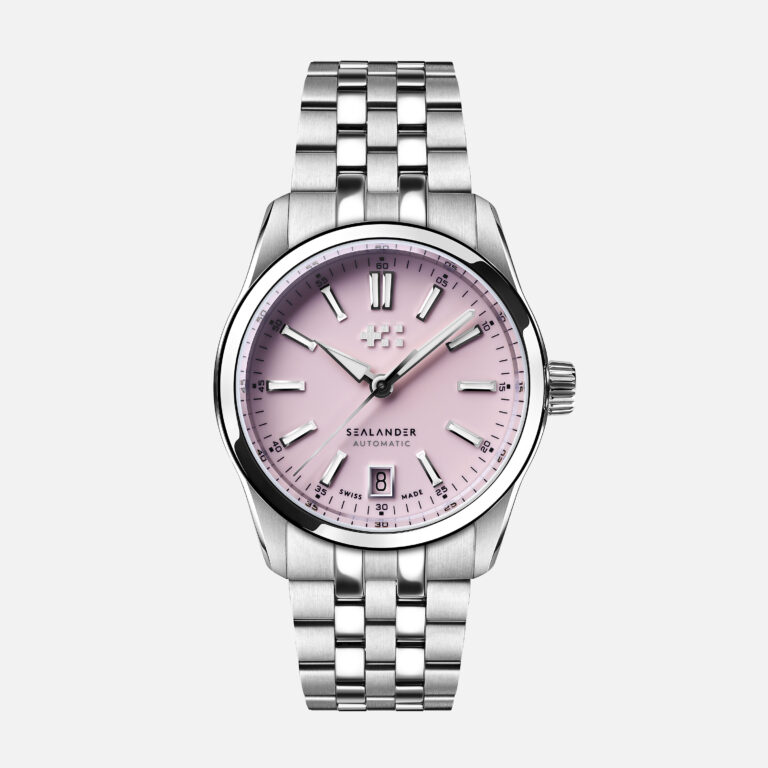
C63 Sealander
The C63 Sealander is Christopher Ward's compact everyday sports watch, featuring a clean dial, 150m water resistance, and the Light-catcher case.
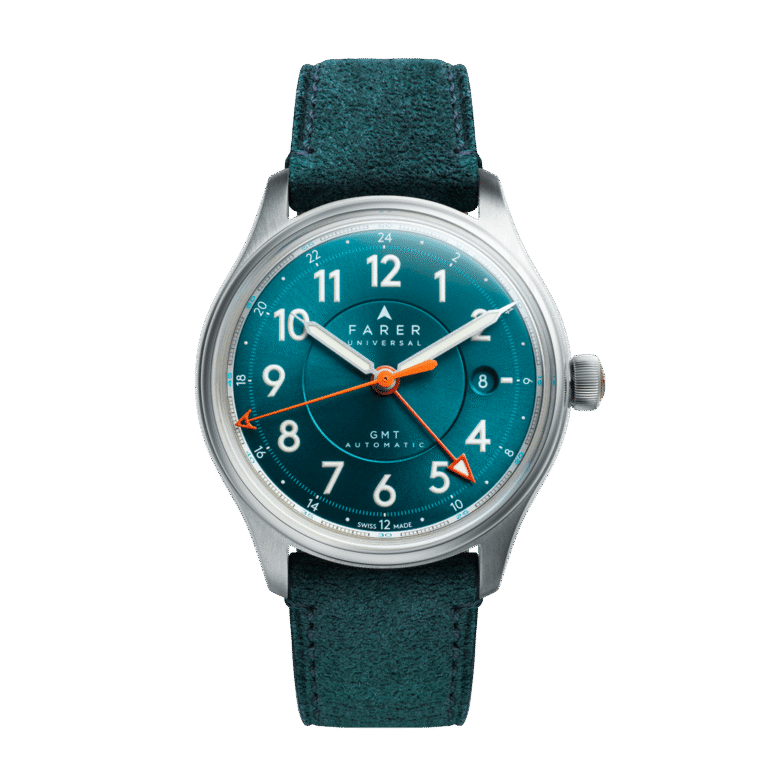
Lander IV GMT
The Lander IV is Farer's flagship GMT watch, featuring a signature sea-green sunray dial, a solid bronze crown, and a caller GMT Swiss movement.
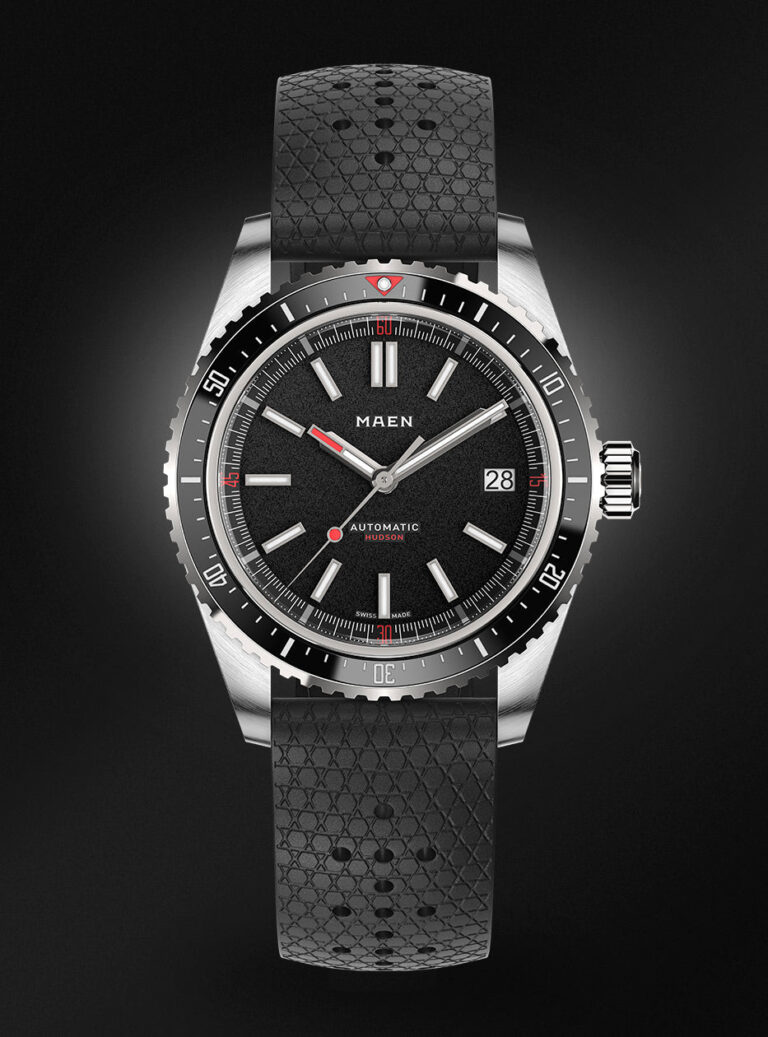
Hudson 38 MK4
The Hudson 38 MK4 is MAEN's flagship professional diver, offering a compact 38mm steel case, 300m of water resistance, and a Swiss automatic caliber.
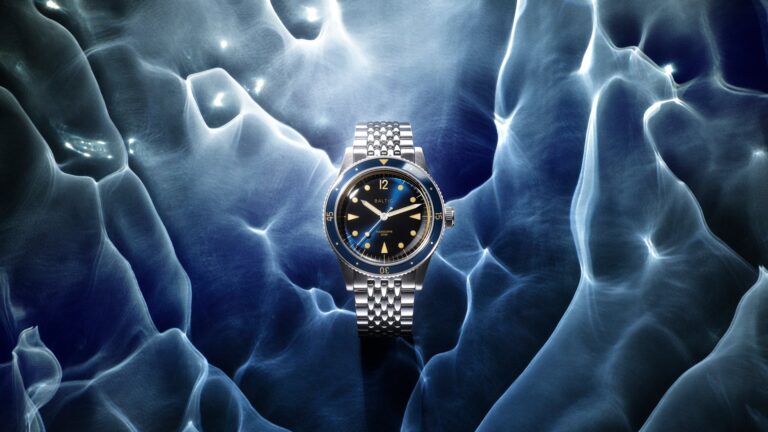
Aquascaphe Classic
The Aquascaphe Classic is Baltic's flagship vintage-style dive watch, combining 1960s skin diver aesthetics with modern construction and a high-beat Japanese movement.