For a long time, the watch industry has been dominated by a handful of large brands.
They control the narrative.
They control the visibility.
And in many cases, they define what people think a watch should be.
But that’s starting to shift.
The rise of independent brands
Microbrands have changed the landscape.
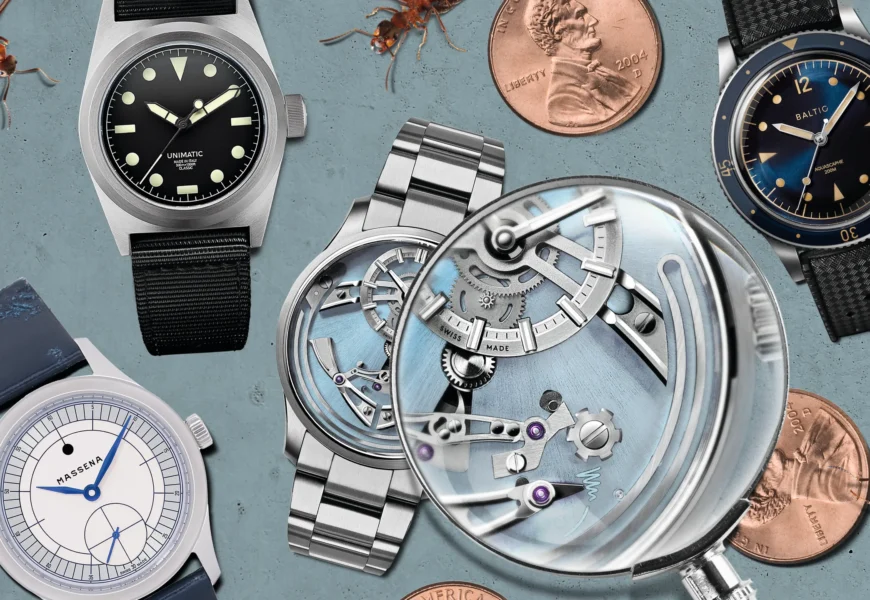
Lower barriers to entry, direct-to-consumer sales, and access to reliable manufacturing have made it possible for smaller brands to compete.
Not on scale — but on design and intent.
Better value, clearer identity
One of the biggest advantages independent brands have is focus.
They’re not trying to appeal to everyone.
They’re building:
- specific designs
- for specific audiences
- with a clear point of view
That tends to result in better watches.
The downside
Not every microbrand is good.
In fact, a lot of them aren’t.
But the ones that are good:
stand out very quickly
Final thoughts
The traditional brands aren’t going anywhere.
But the most interesting part of the market right now isn’t at the top.
It’s in the middle — where independent brands are building something new.
Discussed in this Entry
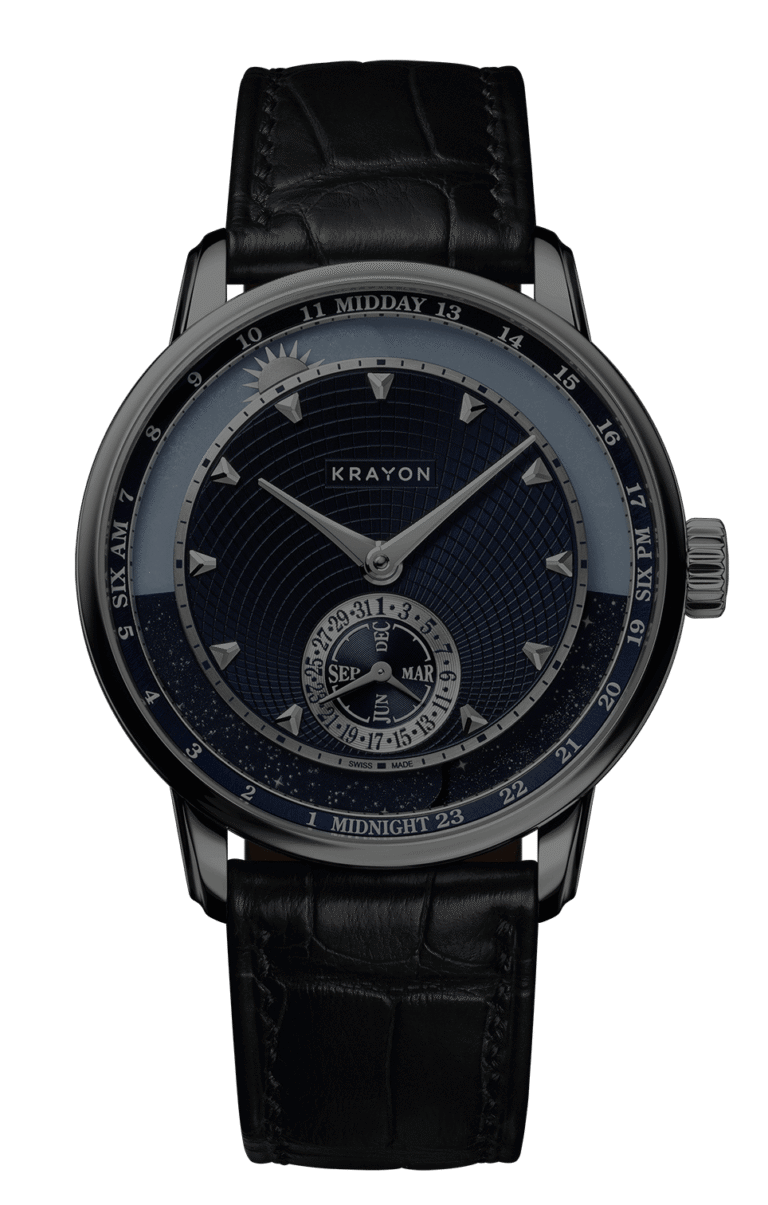
Anywhere
The Krayon Anywhere displays the time, calendar, and shifting daily sunrise/sunset times customized to the exact latitude of the wearer's location.